Are Paper Greeting Cards Even Ethical?

Here’s the quiet reality of recycling that rarely gets said out loud:
If no one uses recycled paper, recycling stops working.

Recycling isn’t magic. It’s a loop. And loops only keep moving when there’s demand for the things made from recycled material. If people avoid paper completely or only buy “fresh” paper stock, the recycled pulp has nowhere to go. It backs up in the system, becomes “contaminated,” and eventually gets sent to the landfill anyway.

Using recycled paper is what keeps trees out of the landfill.
Skipping it doesn’t save a tree — it just strands the already-recycled fibers with nowhere to go.

When you send a recycled card and recycle it again later, you’re not being wasteful. You’re actively supporting the system that prevents waste in the first place.

Recycling can’t thrive on good intentions alone — it needs everyday choices.
A recycled greeting card is one simple, sweet way to keep that loop turning.

Why I Use 100% Recycled Paper

I choose 100% recycled cardstock because it’s the most honest way to make something physical without creating new material demand. The fibers already exist — they’ve lived whole lives as mail, notebooks, packaging, receipts — and turning them into greeting cards gives them another round of usefulness instead of a one-way trip to the landfill.

And when I need materials outside of paper, I reach for bamboo. Bamboo is one of the fastest-growing, lowest-impact fibers on the planet, which makes it an excellent choice for things like mailers. It’s strong, renewable, and keeps the whole workflow gentle on the environment.

The 60–100 lb recycled cardstock I print on has a soft, natural texture with tiny flecks that hint at the story of its past life. It’s sturdy enough to display, cozy enough to write on, and still fully recyclable when you’re done with it.

Each card, print, envelope and mailer is made with materials that tread lightly and keep the loop turning.

How It’s Made (In Real Human Terms)

Recycling centers turn yesterday’s paper into pulp, wash away the ink, press it into new sheets, and send it back into the world ready for another round.

It’s kind of a minor miracle.

Want a nostalgic journey to a recycling plant? You can tour one with Mr Rogers here :)

1. The Last Life

Every card begins as something ordinary — an old envelope, a scribbled note, a scrap that’s ready for a second chance.
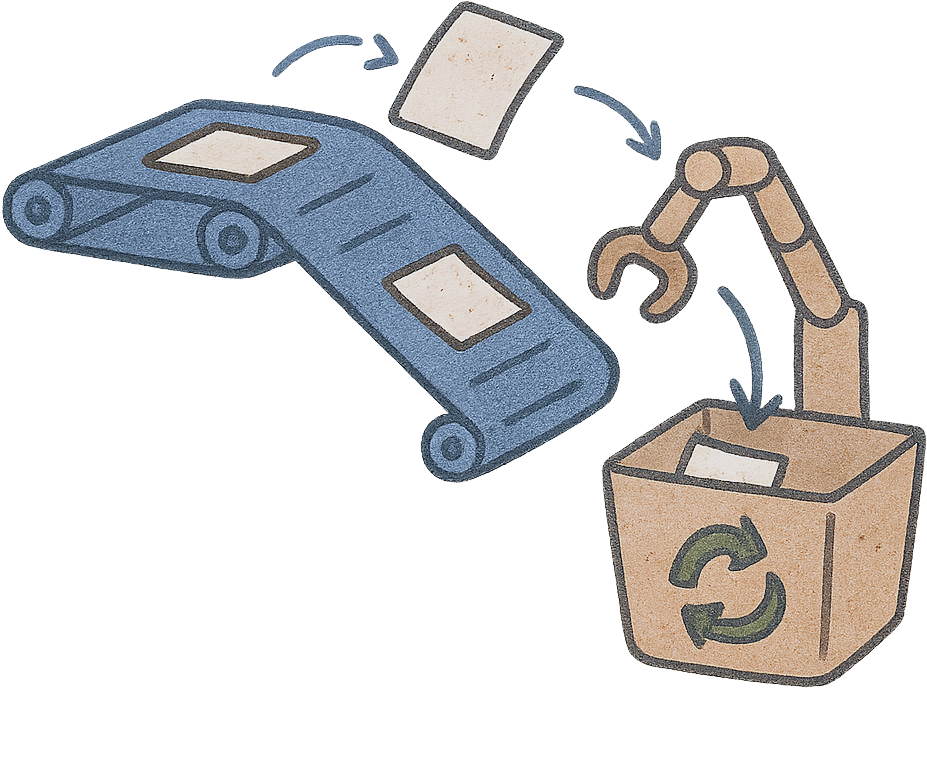
2. The Sorting Adventure

At the recycling center, yesterday’s paper gets sorted and gathered with its fiber friends, all headed toward a fresh start.

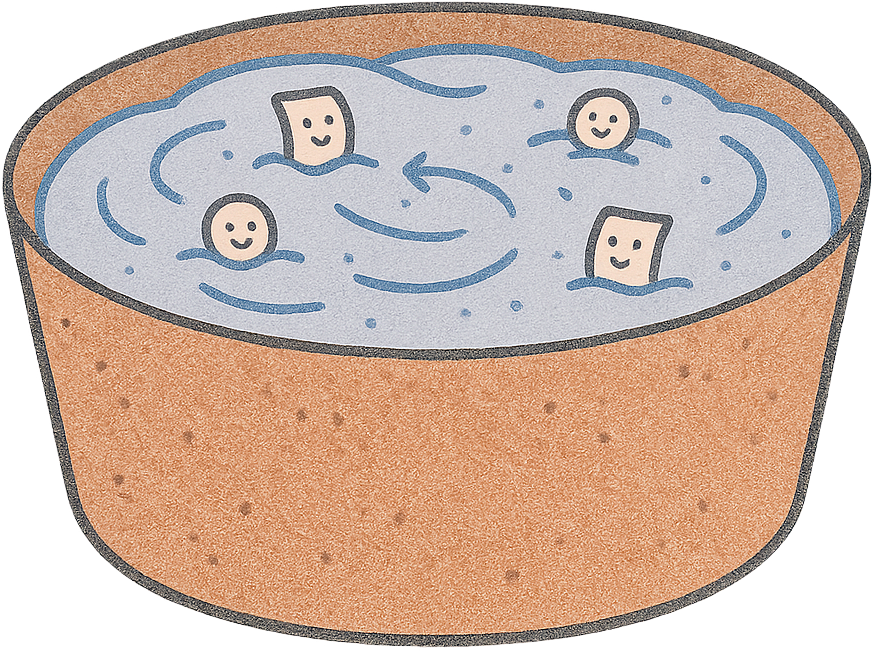
3. Paper Soup

The fibers take a warm, pulpy bath where ink lifts away and the paper relaxes back into something soft and new.
4. Pressed Fresh

Clean pulp is pressed and dried into fresh sheets — flecked, warm-toned, and full of quiet personality.

5. Printed to order, just for you!

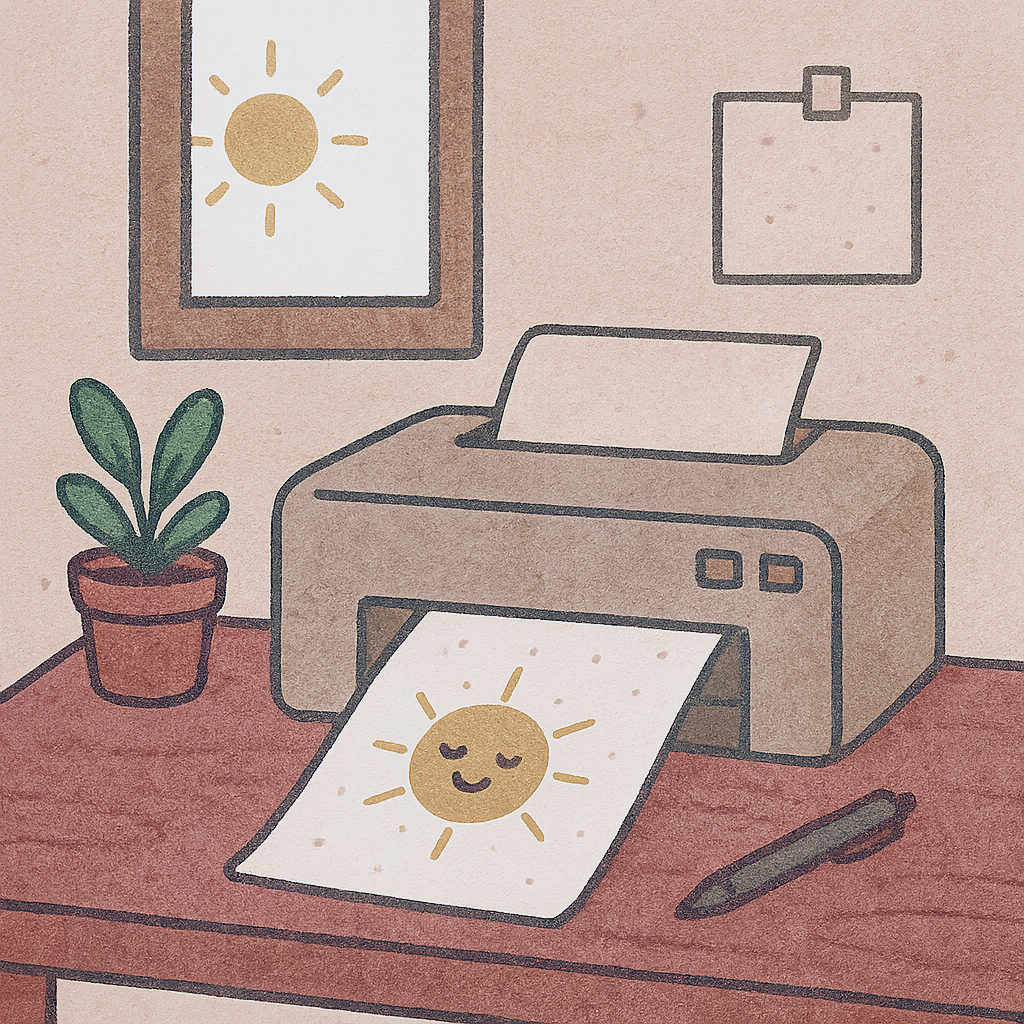
Those sheets land in my little studio, where they’re printed one by one wtih eco-friendly ink as 60–100 lb recycled cardstock.

6. On it’s way!

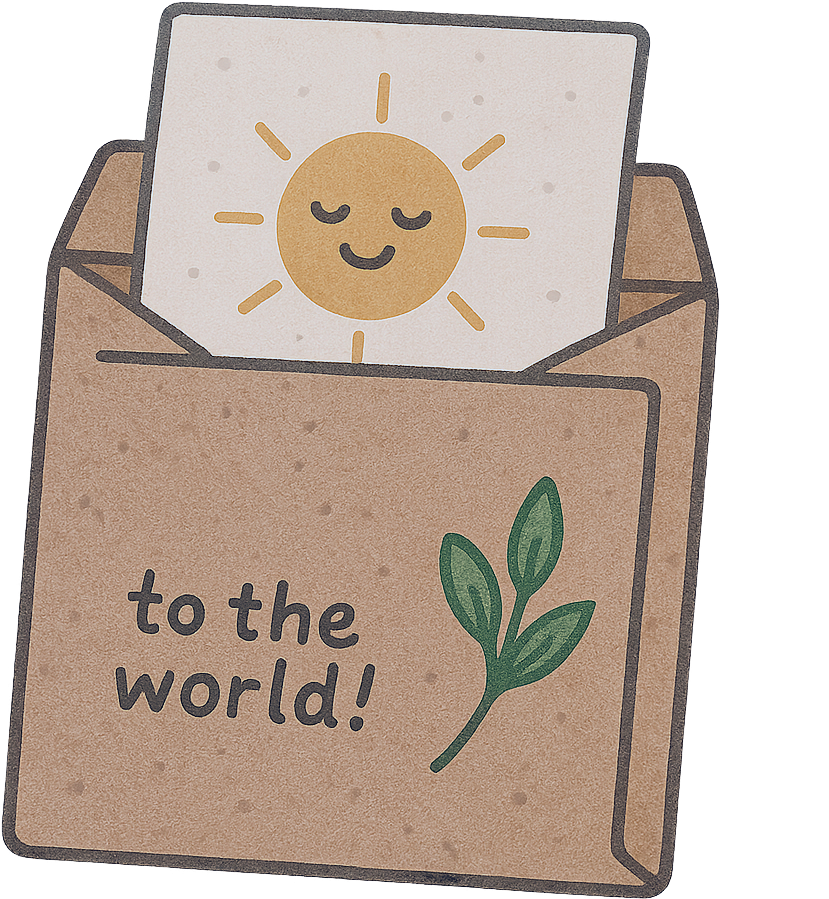
Each card is tucked into a plastic-free EcoEnclose mailer, ready to travel safely without unnecessary waste.

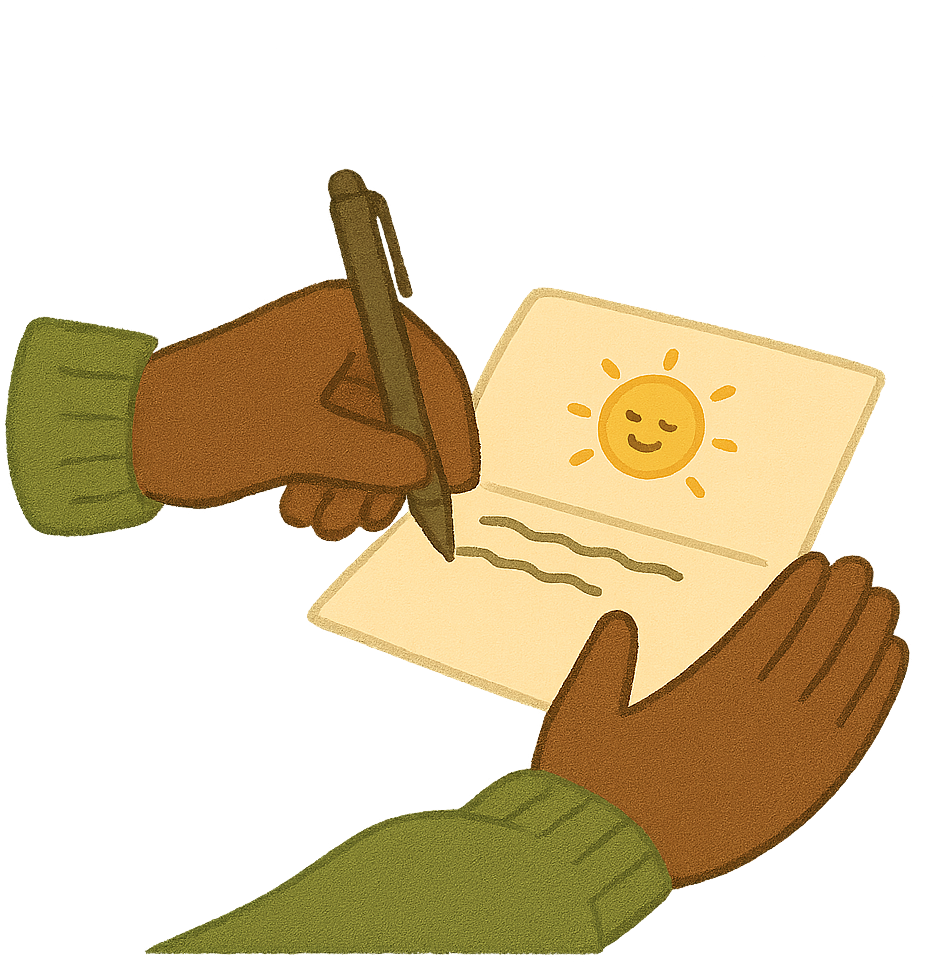
7. In Your Hands

You add the magic — a handwritten message, a doodle, an inside joke meant just for someone you care about.
8. Back to the Bin

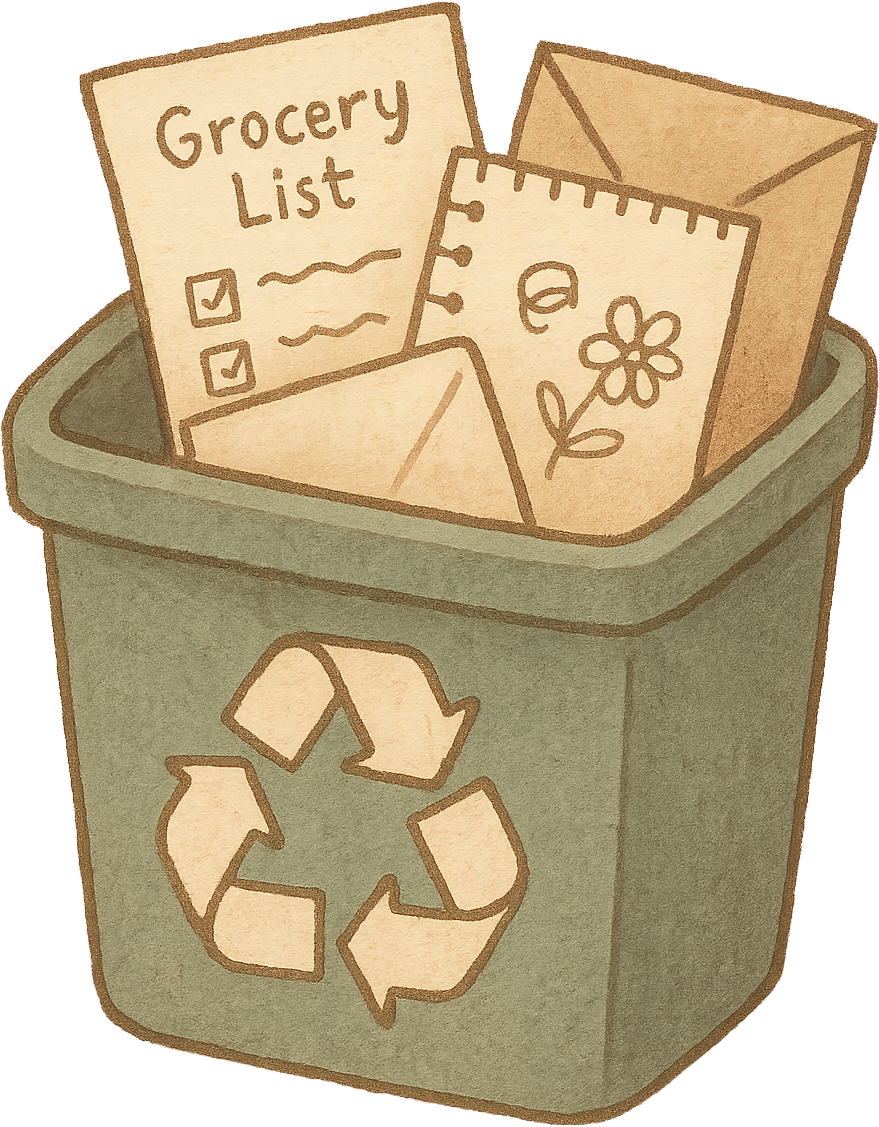
When its job is done, the card returns to the recycling bin — no guilt, just a gentle step back into the loop.

9. Reborn again!

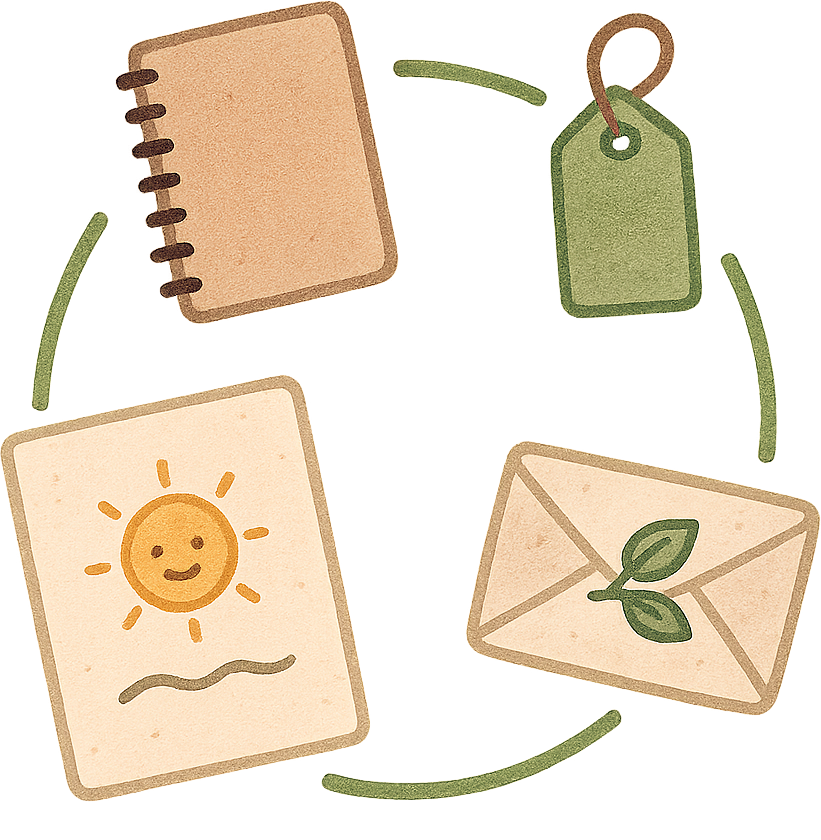
Those same fibers go on to become something new: a notebook, a tag, another card. The cycle continues, quietly and beautifully.

Not Really a FAQ But People Think It

Does recycled paper look different?

Yes, in the best way. Expect gentle flecks, soft tones, and a warm handmade feel.

Is it high quality?

Absolutely. Recycled ≠ flimsy. The cardstock I use is thick, durable, and handles ink beautifully. I use 60–80 lb 100% recycled cardstock. It’s sturdy enough to stand on a mantel or tuck into a gift, but still soft to the touch so your pen glides smoothly. Not flimsy, not glossy — just cozy and honest.

Will the print colors still look good on recycled paper?

Yes. Recycled stock takes ink beautifully. Colors come out rich, warm, and slightly more organic than on ultra-bright white. Think “storybook cozy” rather than “laser printer neon.”

Can I recycle the card again?

Yes, please do! Toss it in with paper recycling when you’re done (unless you want to keep it on the fridge forever). Everything from the paper, envelop, shipping materials and ink is safe to recycle.

Is the envelope recycled too? How does shipping stay eco-friendly?

Everything ships from my Minnesota studio in recycled or renewable mailers which are recyclable, plastic-free, and sturdy enough to protect your items without waste. International orders often print closer to you to reduce emissions and avoid long-haul shipping.

When I do need to partner I choose folks like Prodigi who use organic, recycled, plastic-free and sustainably sourced materials for both printing and shipping.

Why does it cost a little more?

Because doing things responsibly costs more to produce — but the difference is small, and the impact lasts longer than the card itself.

I am inspired, where can I buy more recycled things?

Here are some cool places to check out:

Paper Close-Ups

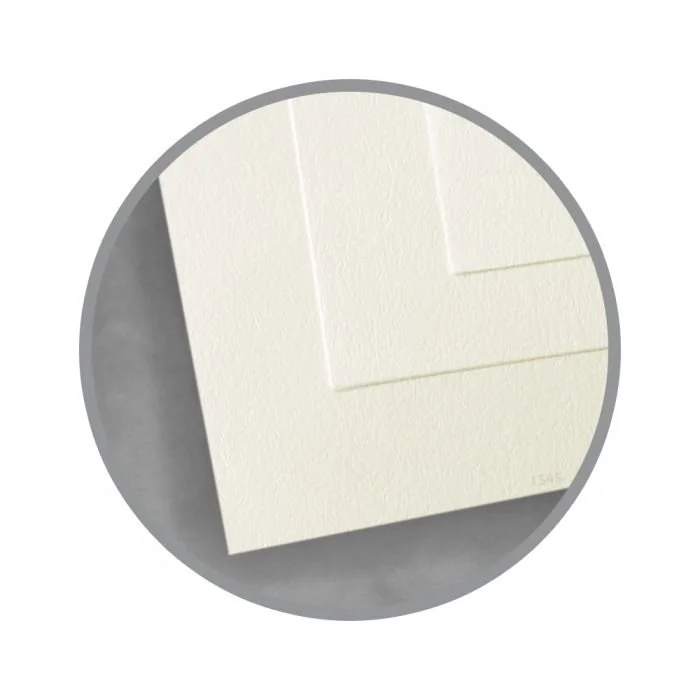
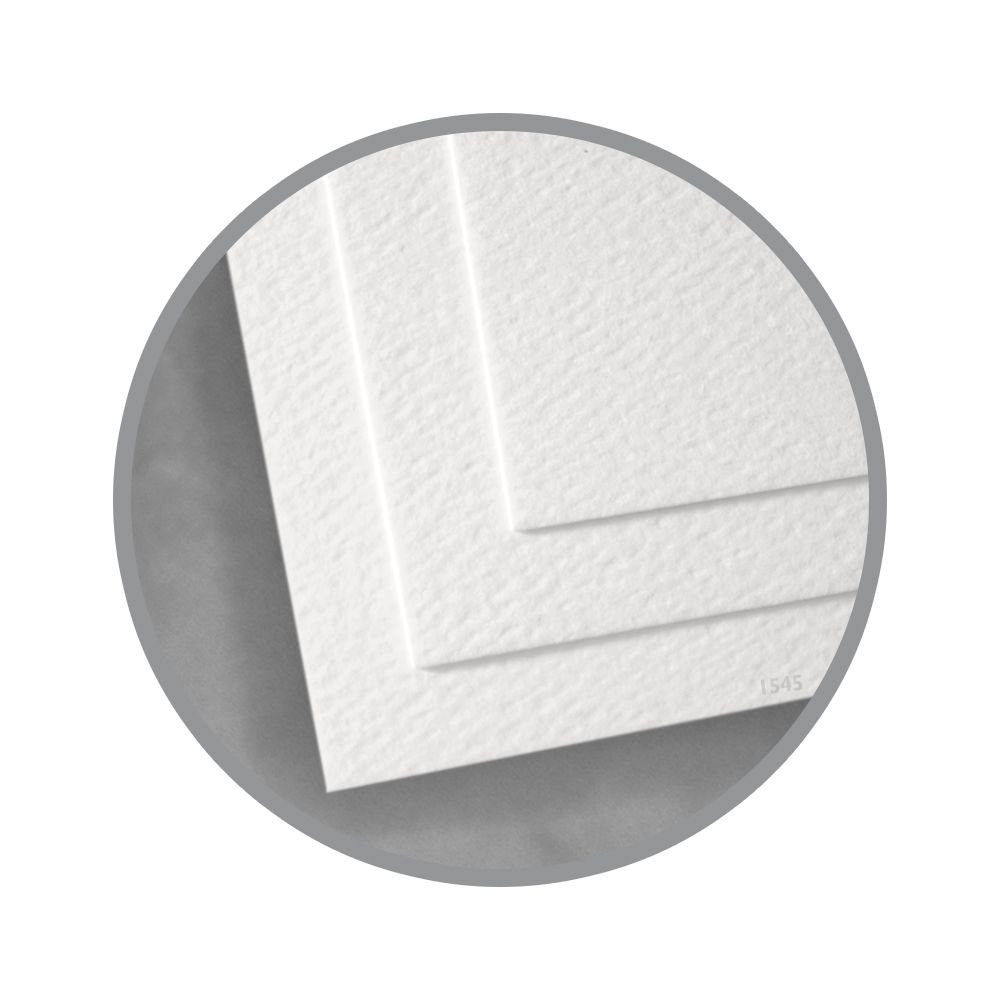
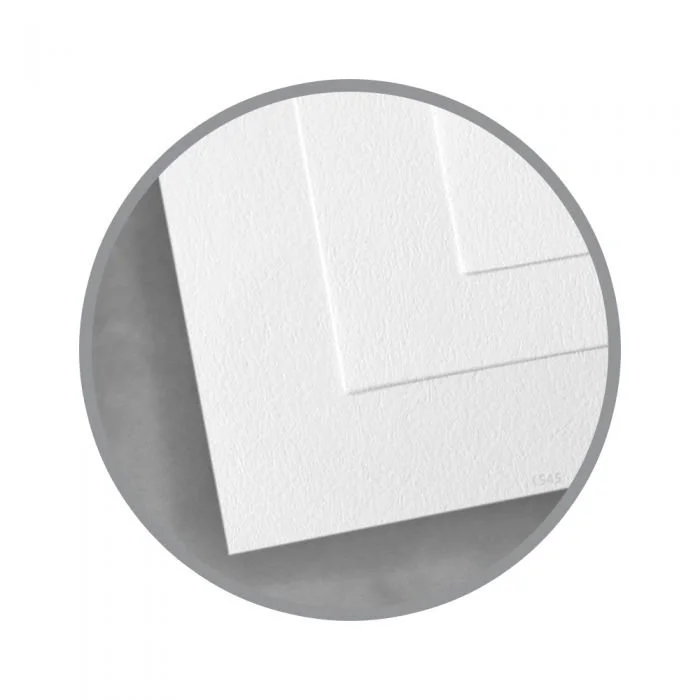
Recycled cardstock has real personality — little flecks from past lives, soft natural color, and a texture that feels like it was meant to be written on.

Check out these close-ups. Recycled doesn’t mean rough or flimsy. It means charmingly imperfect in a way that mass-produced paper just… isn’t.

A Bit About Card Sizes

Cards come in a handful of familiar sizes, and I like to keep things simple.

  • “Small” is the classic A2 size (about 4.25×5.5"), the friendly little rectangle you’ve probably sent a hundred times.

  • “Standard” is 5×7", which is the standard greeting-card size—roomy enough for art, friendly enough for fancy envelopes and instantly recognizable.

  • For the big dramatic moments, I also offer 8.5×11" or 9×12" folded cards which feel like opening a storybook.

A Bit About Paper “Weight”

Paper weight affects how a card feels the moment you pick it up.

All of my paper is 100% recycled, which gives them a naturally soft texture and a slightly more organic feel than ultra-slick coated stock. Recycled cardstock also tends to feel a touch denser for its weight, which is a perk in greeting-card world.

To put the numbers in context:

  • 60 lb cardstock has the gentle flexibility of high-quality letter paper—easy to fold, easy to write on, and wonderfully lightweight without feeling flimsy.

  • 80 lb sits right in the traditional greeting-card sweet spot with a balanced, sturdy hand-feel.

  • 100 lb leans toward the heft of a softer business card or lightweight art print, giving designs a more substantial, “keepsake” quality.

If you aren’t a big paper nerd you probably won’t notice too much of a difference but we embrace all kinds here.